
SwasthikaraLepas: Ayurveda’s Herbal Pastes for Natural Health and Wellness
Keywords: Ayurvedic Detox, Pathya-Apathya, Gut Microbiome, Ama toxins
Introduction
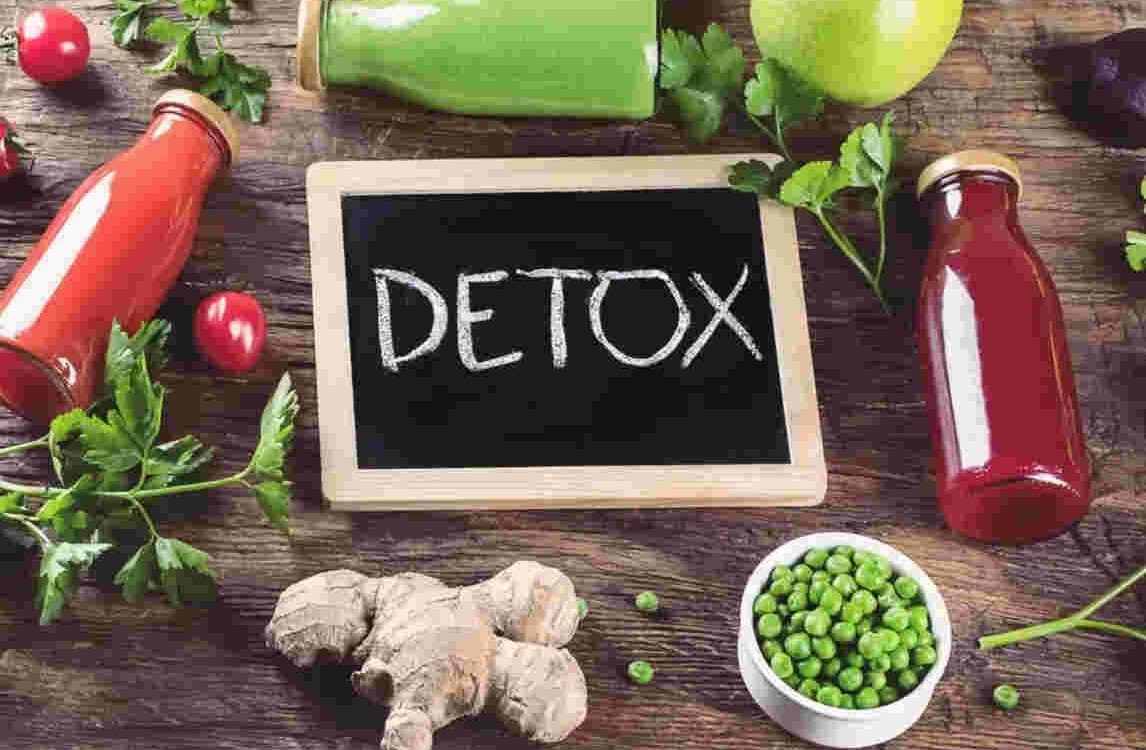
In today’s fast-paced world, “detox” has become a buzzword, flooding social media with promises of quick cleanses, juice fasts, and extreme diets that claim to flush out toxins overnight. But often, these trends are misunderstood or unsustainable, leading to short-term results at best and health risks at worst. Ayurveda, the ancient Indian system of medicine, offers a more holistic and enduring perspective: detoxification isn’t a one-time event but a daily lifestyle choice rooted in balance. Through the principles of Pathya (wholesome practices) and Apathya (unwholesome practices), Ayurveda emphasizes preventing toxin buildup rather than dramatic purges.
At the heart of Ayurvedic detox are concepts like Ama-the undigested essence of food that turns into a metabolic toxin and Visha, referring to external or internal poisons. These align strikingly with modern issues such as oxidative stress from free radicals, gut dysbiosis where harmful bacteria overgrow, and toxicity from processed foods that disrupt bodily harmony. By integrating daily habits, Ayurveda guides us from Ama-induced imbalance toward lasting wellness.
Conceptual Foundation
Ama is clearly defined in classical Ayurvedic texts as the raw, unripe, or incompletely digested residue from food, resulting from weakened digestive fire (Agni). It acts as a metabolic toxin and is considered the root cause of many diseases, accumulating in tissues and obstructing channels (Srotas). CharakaSamhita describes Ama as arising from impaired Agni, leading to symptoms like lethargy, heaviness, and inflammation. Sushruta Samhita further elaborates on Ama and Visha-vardhaka bhavas (toxin-aggravating factors), such as improper diet or lifestyle, which exacerbate toxin formation.
Present day, Ama correlates to poor gut health, where microbiome imbalances allow undigested particles to ferment, producing harmful byproducts. This mirrors conditions like metabolic waste buildup, leaky gut syndrome, and chronic inflammation driven by oxidative stress—issues linked to diets high in refined sugars and fats.
Classical Detoxifying Herbs
Ayurveda harnesses potent herbs for detoxification, focusing on those with Vishaghna (anti-toxic), Krimighna (antimicrobial), and Rasayana (rejuvenative) properties. Key examples include Patola (Trichosanthes dioica), Nimba (Neem, Azadirachta indica), and Vasa (Adhatoda vasica).
- Patola is praised in texts like Sahasrayogam for its cooling, detoxifying effects, often used in formulations to pacify Pitta and clear toxins from the blood. It’s Vishaghna and supports skin health by reducing inflammation.
- Nimba is a cornerstone anti-toxic herb, known for its bitter taste that aids in Ama digestion and antimicrobial action against pathogens.
- Vasa acts as a Rasayana benefits for overall vitality.
Modern validation supports these: Studies show Nimba’s antioxidant and antimicrobial compounds, like azadirachtin, combat oxidative stress and bacterial overgrowth. Vasa exhibits hepatoprotective effects in animal models, protecting liver cells from toxins, while Patola demonstrates anti-inflammatory properties, aligning with its traditional use.
Pathya–Apathya Framework
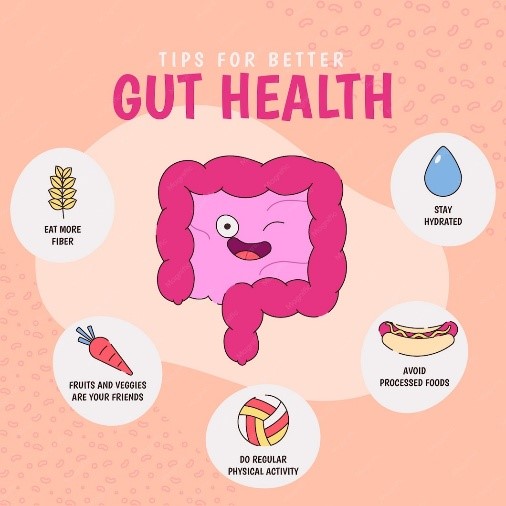
In Ayurveda, detoxification thrives on symmetry: Pathya (beneficial) and Apathya (detrimental) must be balanced to guide readers toward clarity and actionable change. Below are Pathya and Apathya practices for daily detox, each with Ayurvedic context and modern scientific support.
Pathya (Wholesome Practices)
Ushapana (Warm Honey-Lemon Water First Thing in the Morning):
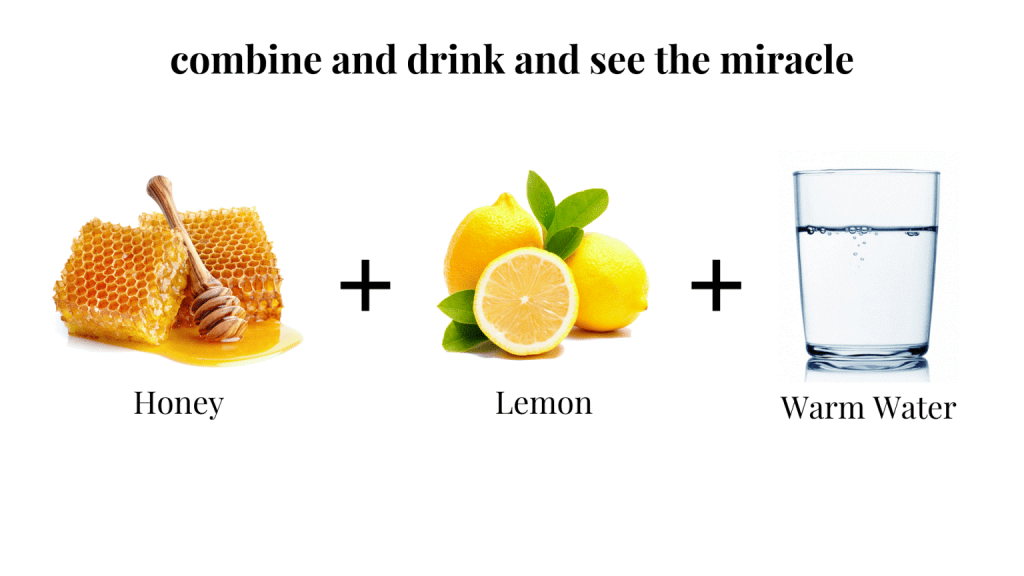
Ayurveda recommends starting the day with warm water infused with honey and lemon to kindle Agni and dissolve Ama. Modern studies show this boosts GI motility, promotes beneficial gut bacteria like Bifidobacteria, and aids digestion by acting as a prebiotic.
Light, Digestible Foods like Mung Dal and Barley:
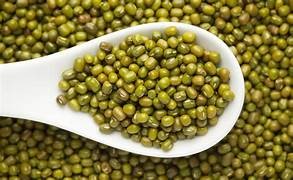
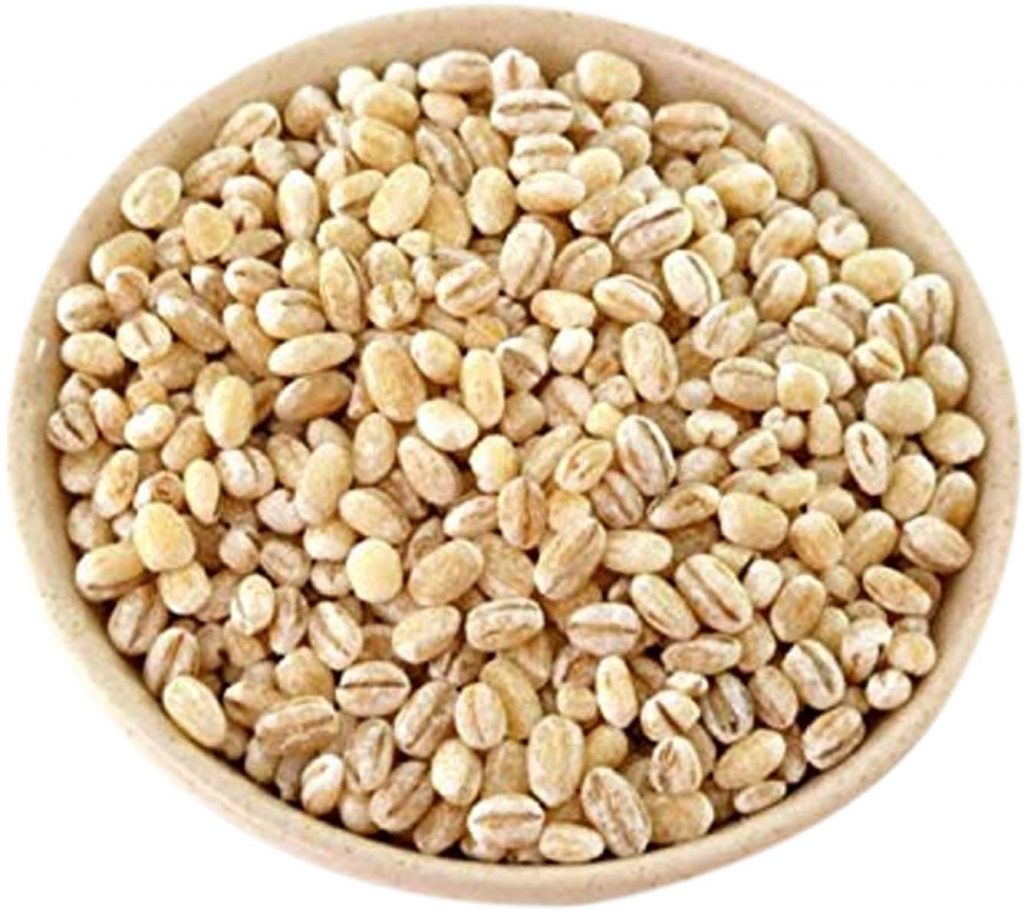
These are Laghu (light) and help pacify Kapha while clearing toxins. Research links such grains to improved gut microbiome diversity and reduced inflammation.
Incorporating Triphala:
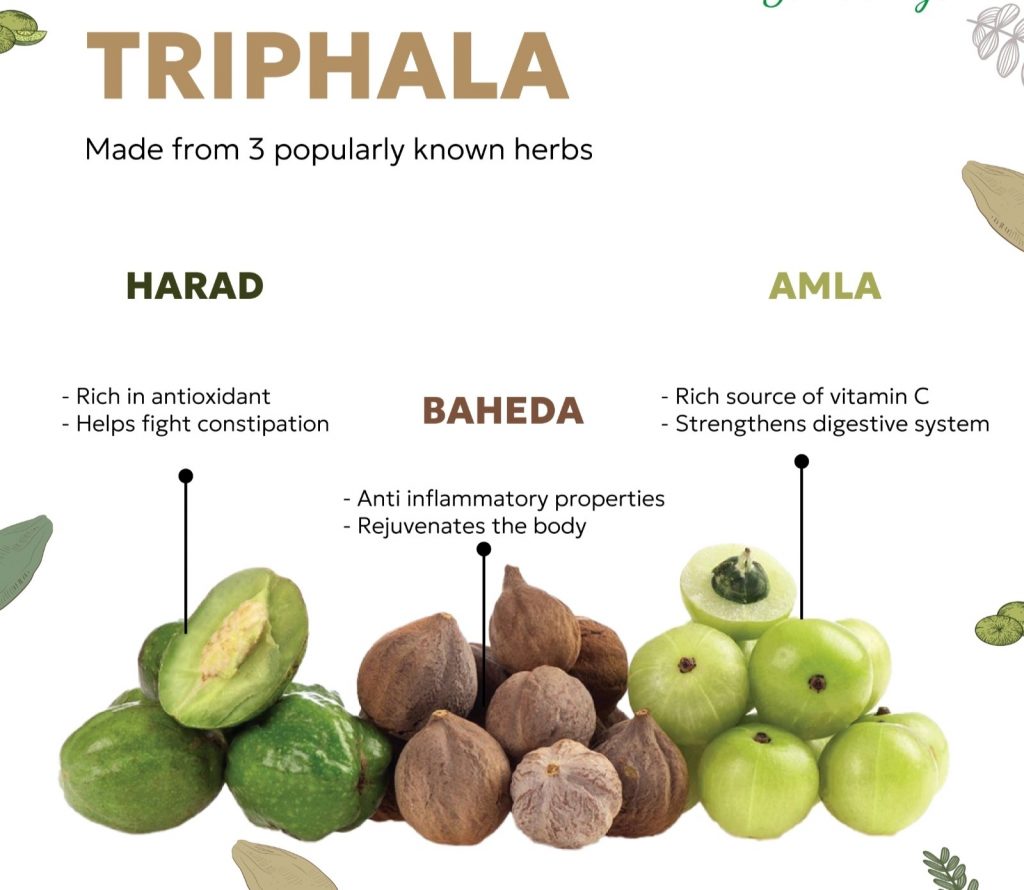
A blend of three fruits, Triphala is a classic Rasayana for gentle detox, balancing doshas and eliminating Ama. A 2017 study in BMC Complementary Medicine and Therapies highlighted its role in modulating the gut microbiome, reducing constipation, and promoting beneficial bacteria.
- Spices like Ginger, Cumin, and Fennel: These Deepana (appetite-stimulating) herbs enhance digestion and prevent Ama formation. Modern evidence confirms their anti-inflammatory and antimicrobial effects on gut health.
- Regular Meals and Yoga/Exercise: Timely eating aligns with circadian rhythms, while yoga supports lymphatic detox. Studies show consistent routines improve metabolic function and reduce oxidative stress.
- Pranayama and Meditation: These mental detox practices calm the mind, reducing stress-induced Ama. A 2016 review in JAMA Psychiatry noted benefits for anxiety and depression, enhancing overall resilience.
- Takra (Buttermilk): Classical texts praise buttermilk as “Amrta” (nectar) for digestion. It is Laghu (light), Deepana (digestive stimulant), and balances Kapha-Pitta while reducing Ama. Churned buttermilk with cumin, ginger, and rock salt enhances Agni, prevents bloating, and clears Srotas (body channels). Modern studies highlight its probiotic action- rich in lactic acid bacteria, buttermilk supports gut microbiota, lowers inflammation, and aids liver detoxification. Taken after lunch, it is a gentle daily detox drink combining hydration with digestive balance.
Apathya (Unwholesome Practices)
- Heavy, Cold Foods like Dairy in Excess: These aggravate Kapha and create Ama by slowing digestion. Modern correlations include lactose intolerance leading to gut dysbiosis.
- Processed and Junk Foods: Labeled Viruddha Ahara (incompatible foods), they introduce toxins. Studies from 2015–2025 link ultra-processed foods to microbiome disruption, inflammation, and increased chronic disease risk.
- Irregular Sleep Patterns: Disrupting Nidra (sleep) imbalances doshas and accumulates toxins. Research shows circadian misalignment elevates metabolic waste and obesity risk.
- Alcohol Consumption: As Visha-vardhaka, it poisons the liver and gut. Post-2015 studies demonstrate alcohol’s role in circadian disruption, intestinal barrier damage, and dysbiosis.
- Overeating or Untimely Meals: This overwhelms Agni, fostering Ama. Evidence ties mistimed eating to higher cardiovascular risks and metabolic disorders.
- Chronic Stress Without Management: It vitiates Vata and promotes toxin buildup. Modern psychiatry links unmanaged stress to gut-brain axis imbalances and mental health decline.
Evidence & Research Links
Supporting these practices, honey water enhances GI motility and microbiota balance, as per physiological studies showing prebiotic effects. Triphala’s impact on the gut microbiome was explored in a 2017 BMC study, confirming its role in promoting beneficial bacteria and alleviating digestive issues. Haritaki, a Triphala component, shows hepatoprotective effects in post-2015 animal models, protecting against toxin-induced liver damage. On the toxicology side, processed foods and alcohol contribute to circadian disruption, with studies (2015–2025) linking them to gut dysbiosis and metabolic syndromes. For mental detox, pranayama and meditation’s benefits were evidenced in a 2016 JAMA Psychiatry analysis, reducing anxiety through stress modulation.
Safety & Precautions
While Ayurvedic detox is gentle, caution is key. Herbs like Triphala or Haritaki may cause loose motions in sensitive individuals due to their laxative effects. Contraindicated groups include pregnant women, lactating mothers, children, the elderly or frail, those with chronic illnesses, or patients on multiple medications (polypharmacy), as interactions could occur. Always pursue guided detox under a qualified Ayurvedic physician’s supervision to tailor practices safely.
Practical Takeaway
True detox in Ayurveda is a daily commitment to Pathya living, not just seasonal cleanses. Start small and sustainable: Begin with Ushapana, opt for regular home-cooked meals, incorporate mindfulness through pranayama, and steer clear of processed junk.
Conclusion
Detoxification is ultimately about balance, prevention, and building inner resilience against life’s stressors. Ayurveda offers a timeless, evidence-supported guide to navigate from Ama to vitality. Start with one simple Pathya today—small changes build lasting wellness.
DR. NISCHITHA C.P
1ST YEAR PR SCHOLAR DEPARTMENT OF AGADA TANATRA